Separate but Together

In the time of a global pandemic where there is so much fear and uncertainty across the world, I wanted to focus on people’s ability to stay positive and connected even when they are physically apart.

Before starting this project, I was aware of some of the ways in which people were interacting whilst remaining in their homes from news articles about Italy appearing on my social media feeds. One example of this was an article in the New York Times, where Italy was described as finding “a moment of joy during this moment of anxiety.” Italy went into lockdown before many other countries, and so many news sources were filled with statistics about the escalating number of cases and deaths.

Image: Washington Post

Although this is something that is important to be informed about, seeing that people have been able to remain so positive and unified during such a scary time was something that stuck with me. From here I gained a better idea of the kinds of videos I wanted to incorporate in my remix, I first came across a video from Germany of people singing from their balconies in solidarity with Italy. After that I was able to find videos of balcony workouts and people throwing social distancing parties for their children, who did not fully understand why they couldn’t leave their homes but were still able to feel special on their birthdays.  
 As the situation began to escalate in more nations, I began to see articles about the Together at Home project that was being organized by Global Citizen and the World Health Organization. When first seeing this I was apprehensive, as many of the celebrity posts about social isolation had received criticism, such as the video of actors singing “Imagine.” An article in Vulture explained that this was because no one “would actually have their spirits lifted by A-listers with access to coronavirus testing crooning in their too-nice homes.” However, Together at Home did not receive the same backlash, the project heavily focused on praising essential workers, and unifying people through music.

Image: Global Citizen

In one clip from the stream I was able to find a montage video of people clapping from their balconies as workers came home, I thought this was powerful and wanted to use it in my remix. I really struggled with finding an ending clip for my video that incorporated the overall message I was trying to portray whilst also providing a clear end. I also found a clip of Beyoncé from this stream which I used to conclude my video, as I thought it did a good job in conveying my overall message.  
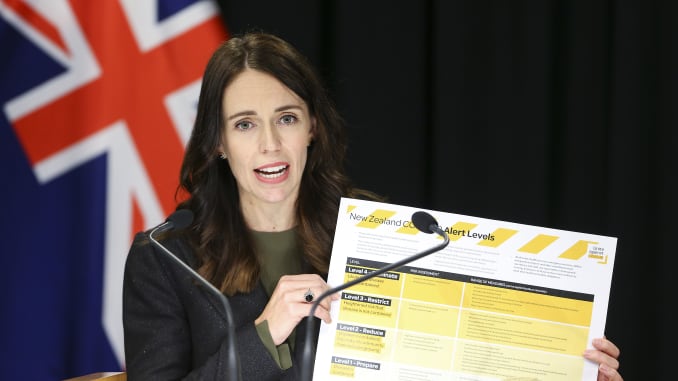
Finally, the context clips that are at the start of my remix were the final component I added to my video. Watching the news at home every night I had an idea of what countries had clips about shutdown that I wanted to use. Being in Australia, a lot of our TV news focused on what was being done in New Zealand and England, so I searched directly for those clips. I was then able to find others based on the suggested results.

Image: CNBC

This is a time of uncertainty for individuals across the world, however even though we are physically separated people have found a way to stay connected

Remix Sources:

Beyoncé Knowles-Carter Honors the Sacrifices Made by Essential Workers – Global Citizen

Boris Johnson Issues Stay-At-Home Order for UK to Fight Coronavirus Pandemic – CNN

New Zealand in Coronavirus Lockdown for Four Weeks – NZ Herald

Arizona’s Stay-At-Home Order Extended – ABC15 Arizona

All but 8 States have Issued a Stay-At-Home Order to Combat COVID19 – ABC News

Corona Virus has Spread to Nearly 30 Countries – ABC News

One World: Together at Home – Brut

South Hadley Community Hosts Surprise Birthday Parade During COVID-19 – WWLP 22 News

Ben Platt Helps Fans Cope with Social Distancing with Virtual Dance Party – GMA

Quarantined Residents in Spain take to their Balconies for Group Exercise – GMA

Spain: Seville Residents Organize ‘Balcony Party’ amid State of Emergency – Ruptly

Coronavirus: Germans Sing Bella Ciao from Rooftops in Solidarity with Italy – Guardian News

Victim to Victor (Youtube Audio Library) – RKVC

Featured Image: Free Pix
The Importance of Coral Reefs

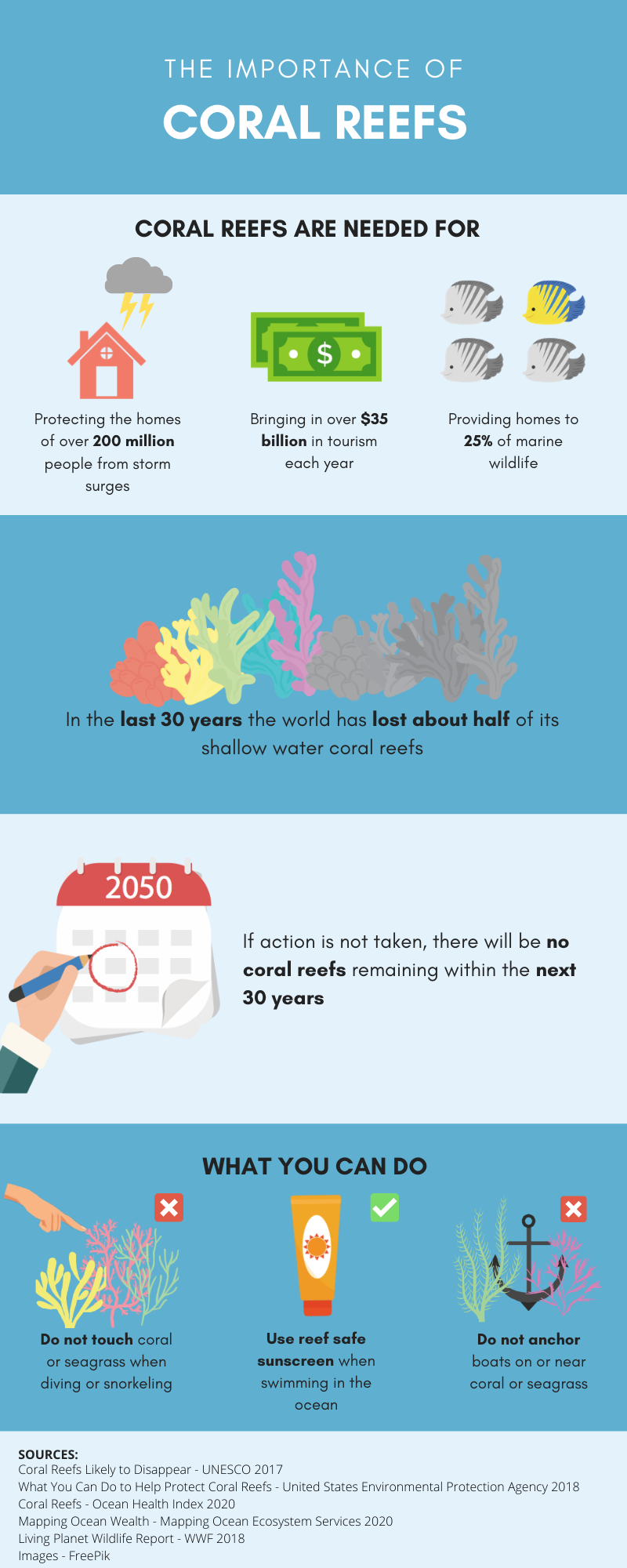
Coral reefs are a vital part of the world’s marine life but are facing significant threats as a result of human interference, if action is not taken immediately, we will see the remainder of coral reefs die within the next 30 years.

I decided to create my infographic in a simple layout that would allow the reader to digest the information quickly, whilst still getting a sense of the urgency of the problem at hand. The first data point I chose was that reefs protect the homes of over 200 million people from storm surges. I thought this was very relevant as it shows the audience that coral reefs play a vital role in the day to day lives of millions of people across the world, and without them they more than likely would lose their homes.

Image: AZO Cleantech

Next I chose the statistic that reefs provide over $35 billion in tourism globally every year. Attracting tourists allows for “diving tours, fishing trips, hotels, restaurants, and other businesses based near reef systems provide millions of jobs and contribute billions of dollars all over the world” (UNESCO). The final data point I chose to put at the top of my infographic was that it provides homes to 25% of marine life. I decided to visualise this data point through the icons of four fish, one remaining in colour to symbolise that 1 in 4 marine animals live in these reefs. This allows for the audience to understand what the point is saying without reading the text.

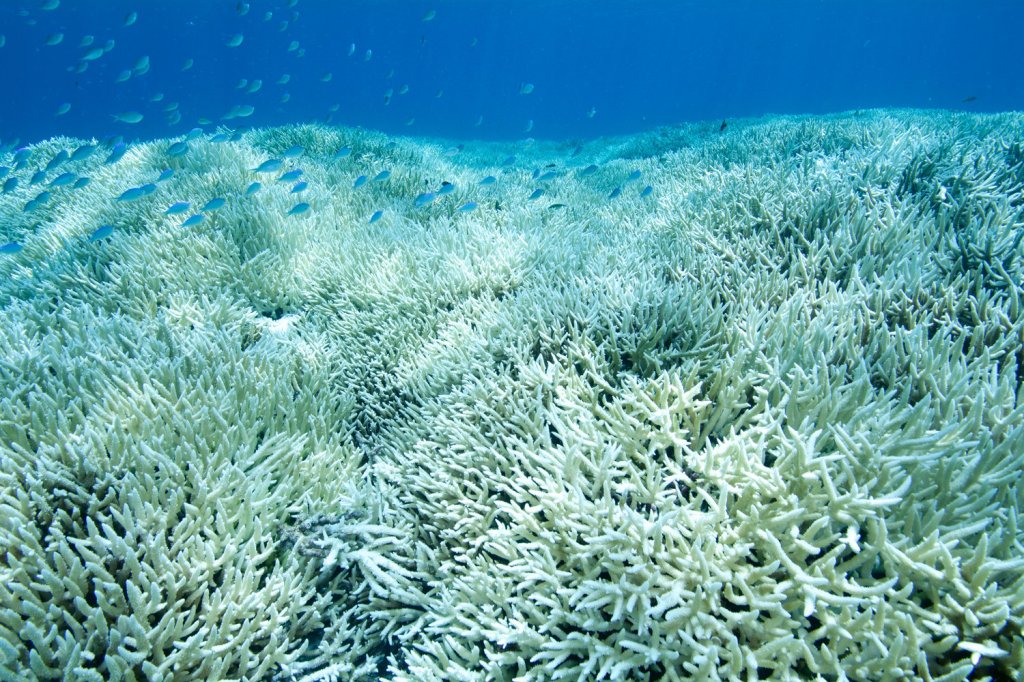
I chose to give the next two pieces of data a separate row each as I felt as though they were significant and would get the reader to feel a sense of urgency leading to a call to action. The data point that the world has lost about half its coral reefs in the last 30 years shows the reader that this has been a significant ongoing problem. I chose to visualise this through a reef that was half in colour, and half grey to symbolise that it had died, allowing the viewer to see a representation of the significance of the problem. I then built on this with the statistic that within the next 30 years if no action is taken all reefs will disappear, to emphasise the time sensitivity of the issue.

Image: Saving the Great Barrier Reef

Finally, I chose to incorporate three data points about small things individuals can do, as a call to action. I visualised these through images of what should not be done, with a cross expressing that they will result in further damage, and what should be done, with a tick to show they will improve reef health.

Overall this is a significant issue that urgently needs to be addressed. Through the layout of my infographic I hope to emphasise this as well as express what can be done to help in saving coral reefs.

Image: Fitzroy Island

Infographic Sources:

What You Can Do to Help Protect Coral Reefs – United States Environmental Protection Agency 2018

Coral Reefs – Ocean Health Index 2020

Mapping Ocean Wealth – Mapping Ocean Ecosystem Services 2020

Living Planet Wildlife Report – WWF 2018

Images – FreePik

Featured Image: Bio Plastics News

Change the Flag

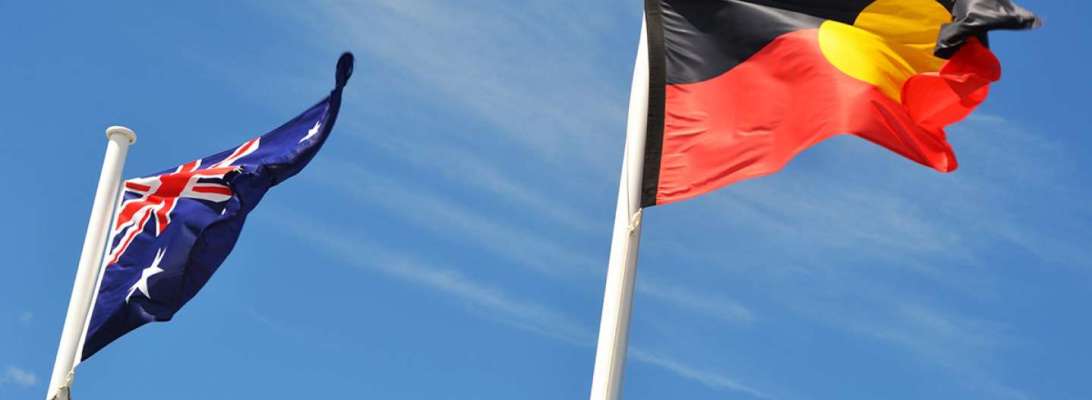
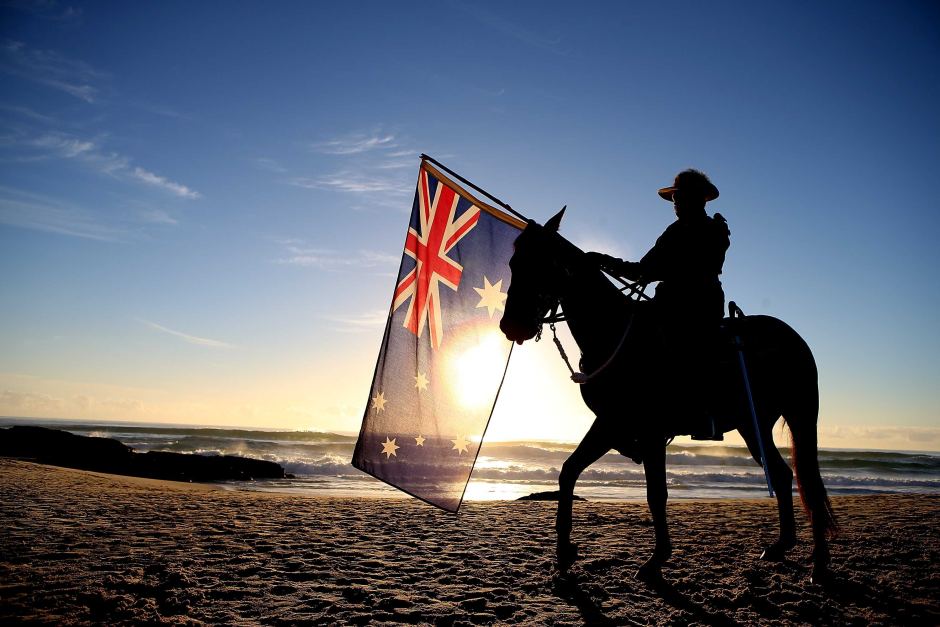
For this assignment I chose to manipulate an iconic image from ANZAC day, a national holiday in Australia that remembers ANZACs who were killed in a battle at Gallipoli in World War I. The ANZAC soldier on a horse holding the flag has become an image of unity Australians and evokes respect for the men who died in battle. However, for years there has been debate over if the Australian flag should be changed to the Aboriginal flag.

When Australia was colonised by the British, the Aboriginal people who inhabited the land were killed, and separated from their children. In 2009, Kevin Rudd, the prime minister at the time, made the first apology to the Aboriginals for the way they had been treated. The Australian flag represents unity; however, this is not encapsulated in the current flag that displays the union jack and southern cross constellation.

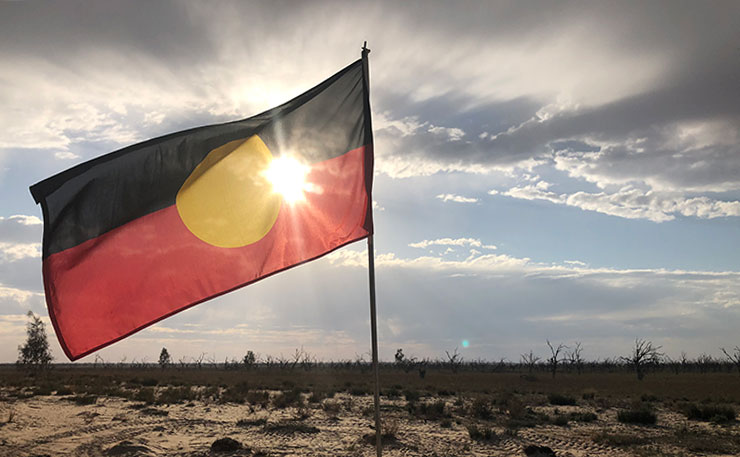
The Aboriginal flag is in 3 parts, a black rectangle at the top to represent the sky, a red rectangle at the bottom to represent the red sand that fills the centre of the country, and a yellow circle in the middle to represent the sun.

Changing the Australian flag to the Aboriginal flag would not only show respect to the people who originally inhabited the land but would also be both an apology for their mistreatment and a better representation of the connection that all Australians feel with one another. Placing this flag on the ANZAC soldier represents the idea that the ANZACS fought for every Australian, including the Aboriginal people, who deserve respect and an apology for their past treatment by white settlers.

Photoshop Sources:

Iconic Image: Collecting Postcards

Aboriginal Flag: New Matilda

Featured Image: MSN News